
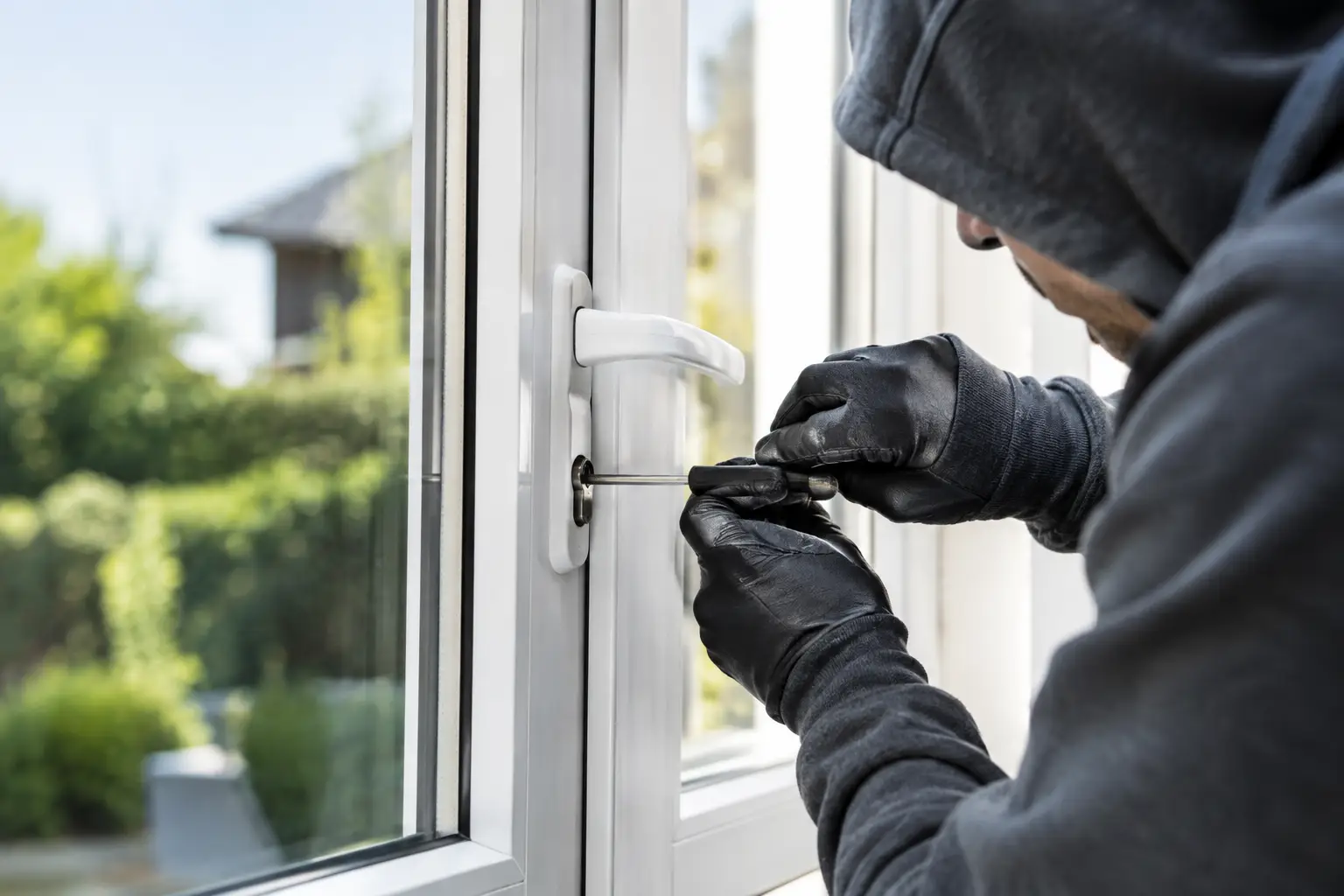
A window that looks closed is not necessarily secure. A loose latch, corroded lock, worn track, or misaligned sash can leave an easy point of entry even when the window appears locked. Learning how to protect window locks starts with identifying what is actually holding the window shut, then fixing the weak point without creating a safety problem for people inside.
For homes, rental properties, offices, and storefronts in Broward and Palm Beach Counties, window security also has to withstand heat, humidity, salt air, and frequent storms. The right solution depends on the window type, where it is located, how it is used, and whether it serves as a required emergency exit.
Start With a Window Lock Security Check
Walk through the property and test every accessible window from the inside. Do not simply turn the latch and move on. With the lock engaged, apply gentle pressure to the sash. A properly working lock should keep the window tightly closed, with little movement or rattling. If it shifts, the lock may be worn, the keeper may be out of alignment, or the window frame may be damaged.
Pay special attention to first-floor windows, windows near gates or side yards, rear-facing windows, garage windows, and any opening concealed by landscaping. A criminal is more likely to target an area that is difficult for neighbors or passersby to see. Second-story windows deserve attention, too, when they can be reached from a roofline, balcony, fence, air-conditioning unit, or outdoor structure.
Look for these warning signs during your inspection:
- A latch that turns but does not pull the sash firmly into the frame
- Rust, green corrosion, pitting, or screws that have loosened in the frame
- A window that will open slightly after the lock is engaged
- Missing keys, broken lock handles, cracked keepers, or bent lock components
Do not assume a temporary workaround is enough. A stick in the track may limit movement, but it does not repair a failing lock or address a window that can be pried from outside.
How to Protect Window Locks With the Right Hardware
The existing hardware determines the most sensible upgrade. Double-hung windows commonly use sash locks that pull the upper and lower sashes together. Sliding windows use latches or pin-style locks, while casement and awning windows generally secure with crank-operated locking points. Each needs a solution designed for that window, not a one-size-fits-all add-on.
For double-hung windows, a quality sash lock properly aligned with its keeper may be enough when the frame and window are in good condition. If the window has play after locking, a secondary sash stop or pin lock can limit how far it opens. This is useful for ground-level windows and for households that want ventilation without leaving a full opening accessible.
Sliding windows often benefit from a properly fitted auxiliary lock or security bar in addition to the factory latch. The bar must fit tightly and be removed easily from the inside when needed. A poorly sized bar can fall out, damage the track, or make emergency escape harder. Pin locks can also be effective, but they require accurate placement so the window cannot be lifted or forced open.
Casement windows need special care because their locks, hinges, and crank mechanisms work together. Replacing only the visible handle may not correct a damaged internal mechanism. When a casement window will not close tightly, or the crank slips, have the whole operating system assessed before relying on it for security.
A keyed window lock can add control in certain locations, such as a vacant unit, a storage room, or a commercial office. The trade-off is speed of exit. Never install a keyed device on a window that occupants may need for emergency escape unless local code, the window’s purpose, and a qualified security professional support that configuration.
Repair the Window Before Adding More Locks
Security hardware is only as strong as the surface holding it. If wood around a lock is soft from moisture, screws may pull out under pressure. If an aluminum frame is bent, the lock and keeper may never line up correctly. On vinyl windows, warped sashes or damaged tracks can prevent a latch from fully engaging.
In South Florida, corrosion is a frequent source of trouble. Coastal air and high humidity can weaken metal components, especially on older windows and openings exposed to rain. Replace heavily corroded hardware rather than repeatedly spraying it with lubricant. Lubrication can help a clean, functional mechanism operate smoothly, but it cannot restore a weakened latch, stripped screw hole, or cracked mounting point.
Use hardware rated for the window material and environment. Stainless steel or corrosion-resistant components are often worth the added cost for exterior-facing openings. For a repair to hold, the installer may need to reinforce the mounting area, use the correct fasteners, or correct the window alignment before fitting the replacement lock.
Add Layers Without Blocking Safe Exit
Window locks work best as part of a layered security plan. A visible, locked window is one barrier. Exterior lighting, trimmed landscaping, alarm contacts, cameras, and strong doors make the property less appealing and make suspicious activity easier to notice. None of these measures should prevent a resident, employee, or guest from leaving safely during a fire or other emergency.
Windows used as bedroom egress openings require particular caution. Security bars, grilles, and window guards can protect vulnerable openings, but they must allow quick release from the inside where required. A release mechanism should be easy to operate without a key, special knowledge, or excessive force. Test it periodically, and make sure everyone who lives or works in the building understands how it functions.
Impact-rated windows can provide meaningful protection against windborne debris and forced entry, depending on their rating and installation. Still, impact glass does not eliminate the need to check locks. A strong pane in a poorly secured frame can remain a vulnerability. Likewise, replacing a lock will not solve a cracked pane or a window frame that has separated from the wall.
Everyday Habits That Keep Window Locks Effective
The best hardware cannot help if it is left disengaged. Make window checks part of the closing routine before bed, before leaving a home vacant, and when locking up a business. Confirm that accessible windows are fully shut, not just pulled close, and that each latch has engaged.
Keep tracks clean so sliding and double-hung windows close all the way. Dirt, insects, paint buildup, and small debris can stop a sash just short of the position where the lock catches. Avoid forcing a handle or latch. If it requires excessive pressure, something is misaligned and forcing it can turn a small repair into a broken lock or damaged frame.
For rental properties, document the condition of window locks at move-in and between tenants. Property managers should respond promptly when tenants report a window that will not lock. It affects security, weather protection, and possibly the property’s habitability requirements. Tenants should avoid drilling into frames or adding permanent hardware without approval, since the wrong modification can damage the window or violate lease terms.
Window Security for Businesses and Ground-Level Properties
Commercial window security often involves different risks. Ground-floor offices, retail spaces, storage areas, and glass entry sections may be exposed after hours, while windows in back rooms can be hidden from public view. Start by ensuring every operable window closes and locks correctly. Then consider whether that opening needs a secondary lock, glass protection, monitored alarm contact, camera coverage, or improved exterior lighting.
Business owners should also think about who has access to window keys and whether former employees or contractors may still have them. A keyed system can provide control, but it needs a clear key-management plan. Keep records, limit distribution, and change or rekey security hardware when access changes.
Do not make security upgrades in isolation. A window improvement should work with the building’s alarm system, emergency exit plan, door hardware, and daily opening procedures. A device that seems secure but delays evacuation or conflicts with fire-safety requirements creates a different kind of risk.
When a Professional Lock Repair Is the Better Choice
Call for professional help when a window lock is broken, repeatedly slips, shows corrosion, has been tampered with, or no longer aligns with the frame. It is also wise to request an assessment after a break-in attempt, storm damage, a property purchase, or a change in tenancy. These events can reveal weaknesses that are easy to miss during a quick visual check.
Access Locksmith & Security can help property owners and managers evaluate damaged window hardware, recommend practical upgrades, and address related door and access-security concerns. Licensed, insured workmanship matters when the job involves security hardware that must operate reliably when you need it most.
A secure window should close easily, lock firmly, and still allow safe exit when necessary. Address the loose latch or corroded lock now, before it becomes the opening someone else notices first.

