
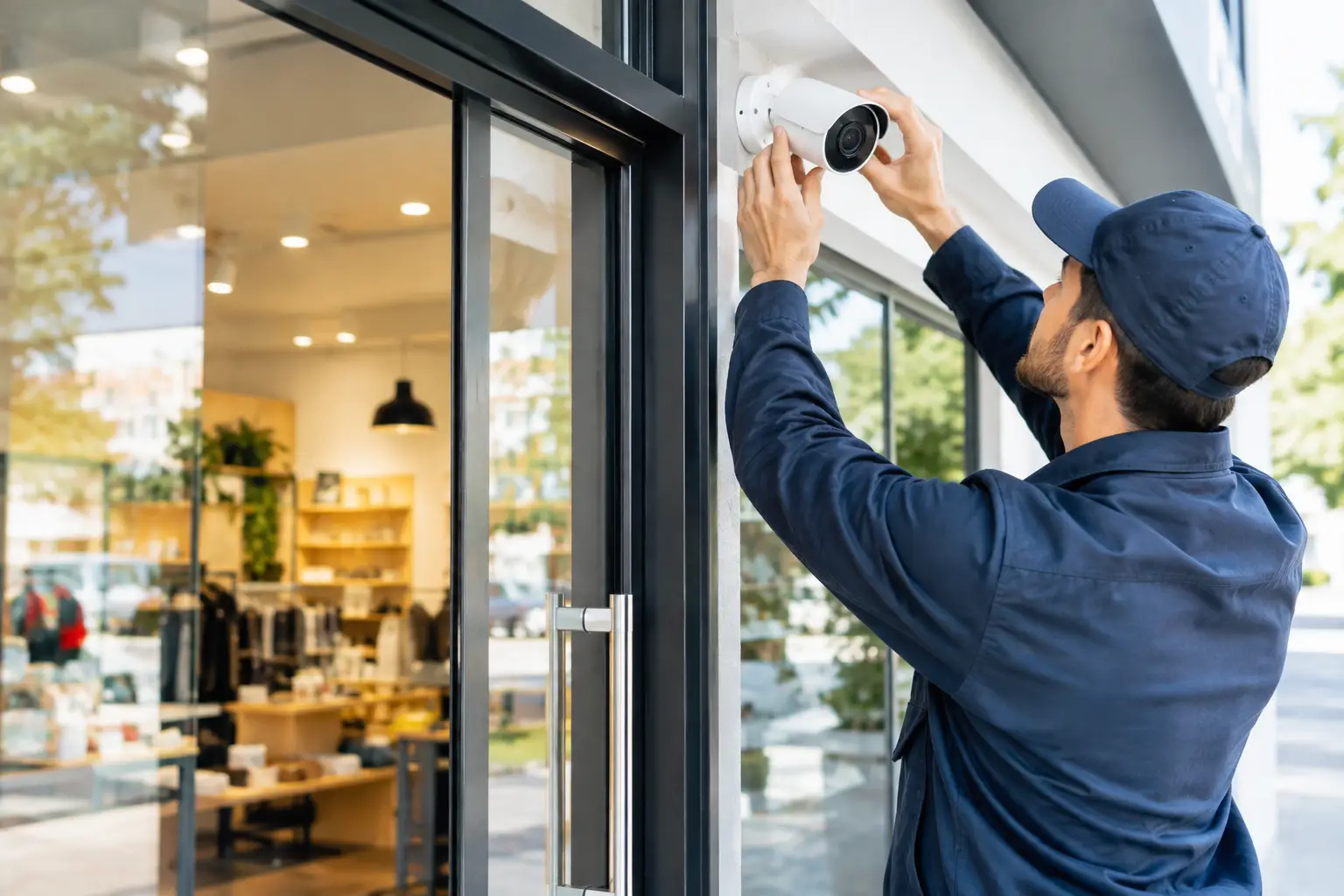
A storefront can look secure from the sidewalk and still have weak points that make forced entry, unauthorized access, and daily operating problems more likely. A loose door closer, worn lock cylinder, exposed rear entrance, or camera that no longer records clearly can become a serious liability after hours. To upgrade storefront security effectively, start with the doors your employees use every day, then build outward to access control, surveillance, and emergency exit hardware.
For businesses across Broward and Palm Beach Counties, the right solution depends on the property, hours of operation, employee turnover, and what is inside the building. A small retail shop may need stronger lock and door hardware, while a medical office, warehouse, or multi-tenant commercial property may need controlled access and a clear way to manage who can enter each area.
Start With a Storefront Security Assessment
Security upgrades work best when they address actual vulnerabilities rather than adding equipment at random. Walk the property as someone trying to gain entry would. Check the main entrance, rear and side doors, delivery access, glass panels, roof access where applicable, and any shared hallways or utility areas.
Pay close attention to doors that do not latch consistently, frames that move when the door is pushed, locks that are difficult to turn, and panic bars that stick. These are not just maintenance annoyances. A door that does not close and latch properly can defeat an otherwise high-quality lock.
Consider how keys and credentials are handled as well. If former employees may still have keys, if too many people share one key, or if nobody can identify who has access to the building, the issue is not only the lock. It is control. Rekeying, restricted keyways, master key systems, or electronic access control can give managers a more reliable way to manage access.
Strengthen the Doors Before Adding Electronics
Electronic systems can improve oversight, but the physical door must be able to resist force first. The strongest access-control device will not help much if a weak strike plate, damaged frame, or light-duty deadbolt can be bypassed quickly.
A commercial-grade deadbolt or lever lock, reinforced strike plate, and correctly secured frame provide a stronger foundation at employee and back-of-house entrances. For glass storefront doors, the correct commercial hardware matters just as much. Narrow-stile doors, aluminum frames, and glass panels often require specialized lock bodies, cylinders, pivots, and closers that fit the door correctly without compromising operation.
Roll-down gates and shutters can add protection for some retail locations, particularly where merchandise is visible from the street. However, they should not create confusion around required exit routes or make daily opening procedures difficult. The best choice is the one that protects the storefront while allowing employees to enter, exit, and secure the business without workarounds.
Door closers deserve special attention. A closer that slams, leaks, closes too slowly, or fails to latch can wear out hardware and leave the entrance unsecured. Proper adjustment helps the door close reliably while remaining accessible to customers and staff.
Do Not Overlook the Rear Door
Many break-in attempts target the less visible side or rear entrance. These doors may receive heavy use from deliveries, trash removal, and staff arrivals, yet often have less oversight than the front door. Upgrade rear-door hardware with commercial-grade locks, properly installed exit devices, reinforced hardware, and lighting that eliminates dark approaches.
If the rear entrance is used by several employees, electronic access may be more practical than repeatedly issuing and collecting keys. Managers can remove an employee’s credential when roles change instead of wondering whether a physical key was copied.
Use Access Control Where It Solves a Real Problem
Access control is not only for large office buildings. It can be a practical upgrade for storefronts that have employee-only doors, stockrooms, offices, receiving areas, or multiple shifts. Card, fob, keypad, and mobile credential systems can limit entry to authorized people and create a clearer record of access activity.
The right setup depends on the business. A single employee entrance might need a keypad or fob system with an electric strike. A larger operation may benefit from separate permissions for managers, staff, vendors, and cleaning crews. For properties with frequent staffing changes, electronic credentials reduce the cost and uncertainty of rekeying after every departure.
There are trade-offs. Access control requires dependable power, correct installation, and periodic management of users. It should also be paired with a plan for power interruptions and emergency egress. Doors must allow people to exit safely and in accordance with applicable fire and life-safety requirements. Magnetic locks, electric strikes, request-to-exit devices, and emergency release components must be selected and installed as a complete system, not as isolated parts.
Make Cameras Useful, Not Just Visible
A camera sign and an old camera mounted above the entrance may discourage some opportunistic activity, but a surveillance system only helps after an incident if it captures usable footage. Check whether current cameras provide a clear face image at entry points, cover the register area, record during the hours needed, and retain footage long enough for a problem to be discovered.
Camera placement should focus on what matters most: the front entry, rear and side doors, cash-handling areas, high-value inventory, receiving zones, and parking or alley approaches when appropriate. Avoid relying on one wide-angle camera to cover an entire storefront. Wide views are useful for context, but they may not provide enough detail to identify a person or event.
Lighting supports camera performance. A well-lit rear entrance and parking area can improve recorded images while helping staff feel safer during opening and closing. Cameras also work better when they are maintained. Dirty lenses, poor angles, failed recording equipment, and incorrect time settings can limit the value of footage when it is needed most.
Protect Emergency Exits Without Blocking Them
Emergency exits create a common balancing act for storefront owners. They need to remain available for safe evacuation, yet they should not become an easy route for unauthorized entry or unnoticed employee theft. The answer is not to add a lock that prevents exit. It is to use the proper exit device and monitoring hardware for the door’s purpose.
Panic bars, alarmed exit devices, door position switches, and appropriate exterior hardware can help alert management when a door is opened while preserving safe egress. If an exit device is damaged, loose, difficult to push, or does not latch when the door closes, schedule service promptly. A malfunctioning exit door can create both a security concern and a safety concern.
For tenant spaces, property managers should coordinate upgrades with the building’s fire and life-safety requirements. A door that is secure for one use may not be compliant for another, especially after a renovation, occupancy change, or new access-control installation.
Improve Daily Security Habits Along With Hardware
A security upgrade is only as strong as the routine around it. Employees should know who is responsible for opening and closing, how to check that each door is locked, what to do if a key or credential is lost, and when to report a hardware problem. Clear procedures prevent small issues from becoming open invitations.
A closing routine should include checking exterior doors, confirming cameras are operating, securing cash and high-value items, and verifying that no door has been propped open. Opening staff should look for signs of tampering before entering, particularly at rear doors, locks, glass, and shutters. If something looks wrong, employees should avoid disturbing the area and contact management and the appropriate authorities.
It also helps to review access after staffing changes. Rekeying may be the right choice after a lost master key, ownership transition, tenant turnover, or concern that keys were copied. A master key system can simplify access for managers, but it must be planned carefully so one lost key does not expose more of the property than necessary.
Choose a Qualified Commercial Security Provider
Storefront security involves more than replacing a lock. Doors, frames, closers, exit devices, access control, and surveillance equipment must work together without interfering with business operations or safe egress. A qualified provider should inspect the existing condition, explain the options in plain language, and identify what needs immediate attention versus what can be planned in phases.
Access Locksmith & Security helps local business owners and property managers address urgent lock and door problems as well as larger commercial security upgrades. With more than 19 years of experience, licensed and insured service, and 24/7 emergency availability, the focus is on practical recommendations, dependable workmanship, and clear communication from the first assessment through completion.
The best time to improve a storefront is before a damaged lock, employee turnover issue, or break-in forces a rushed decision. A professional assessment can turn the weak points you see every day into a clear, workable plan for safer operations and greater peace of mind.

