
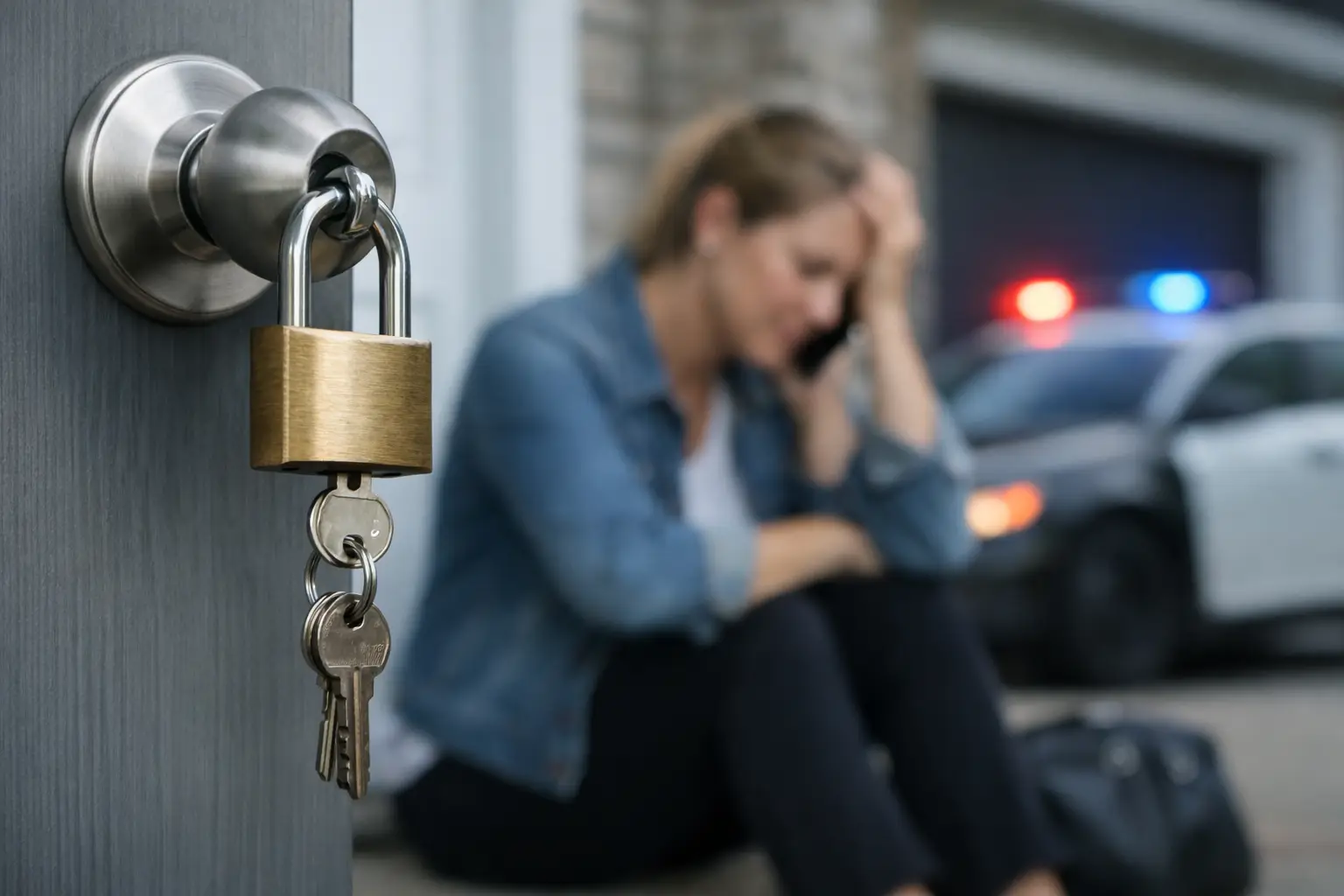
A locked door can turn an ordinary South Florida morning into an urgent problem in seconds. Whether your keys are on the kitchen counter, the key broke in the lock, or a smart lock will not respond, locked out of house help should start with protecting your safety and your property – not forcing your way inside.
The right response depends on where you are, who may be inside, and the condition of the door and lock. A qualified local locksmith can assess the situation, explain the available options, and work to restore access without causing unnecessary damage. That matters because a broken door frame, shattered window, or damaged lock can cost far more than professional lockout service.
What to Do First When You Are Locked Out
Start by checking for immediate safety concerns. If a child, older adult, pet, or vulnerable person is alone inside, or if cooking appliances are on, call emergency services right away. Do not delay while trying locks, windows, or improvised entry methods.
If there is no immediate danger, take a breath and confirm every reasonable access option. Check whether another household member has a key, whether a trusted neighbor has a spare, or whether a garage, side entrance, or patio door is legitimately accessible. Be careful not to leave a vehicle, purse, or other valuables unattended while you check.
Then contact a licensed and insured locksmith with residential lockout experience. When you call, be ready to share your location, the type of door or lock involved, whether the key is lost or simply locked inside, and any urgency at the property. Clear details help the dispatcher send the right technician and give you a more accurate expectation for service.
Why DIY Entry Often Creates a Bigger Problem
It is tempting to try a credit card, wire hanger, screwdriver, or online lock-picking trick. In real-world lockouts, those approaches commonly damage the latch, strike plate, weather stripping, lock cylinder, or door frame. They also tend to fail on deadbolts, high-security locks, keypad locks, and properly installed residential hardware.
A window may seem like a faster option, but broken glass presents obvious injury risks and can leave your home exposed until repairs are made. Climbing through an upper-level window or over a fence is another avoidable risk, particularly after dark or during Florida rain.
There are limited cases where a homeowner can safely regain access, such as using a verified spare key or an installed smart-home app that controls a compatible lock. Otherwise, professional service is usually the lower-risk choice. A locksmith has the tools and training to determine whether non-destructive entry is possible before recommending lock repair or replacement.
Do Not Ignore Signs of a Lock Failure
Sometimes the issue is not a misplaced key. A key that turns without opening the door, a deadbolt that sticks, a loose handle, or a key that will not come out can indicate a failing lock or misaligned door hardware. Forcing the key can snap it in the cylinder and make the service more involved.
Tell the locksmith exactly what happened before the lockout. Was the door difficult to lock in recent days? Did the key bend? Did the keypad show an error? Those details can point to the cause and help prevent the same problem from happening again after you are back inside.
What a Professional Locked Out of House Help Visit Looks Like
A reputable locksmith should identify the property situation, confirm that you have authorization to enter, and inspect the lock before starting work. This protects homeowners, renters, landlords, and the technician. Be prepared to show identification or provide reasonable proof of residency once access is restored if your ID is inside.
The technician will select an entry method based on the door, lock type, and condition of the hardware. The goal is typically to open the door with as little disruption as possible. However, no professional should promise that every lock can be opened without repair. A severely damaged lock, a failed smart lock, a broken key, or certain high-security systems may require additional work.
Before proceeding with repairs or replacement, you should receive a clear explanation of what is needed and why. Ask about the condition of the existing lock, whether the original key may still work, and whether a rekey is appropriate if keys are missing. Transparent communication is especially valuable during an emergency, when it is easy to feel pressured into a decision.
Access Locksmith & Security provides 24/7 emergency locksmith service throughout Broward and Palm Beach Counties, with experienced, licensed, and insured technicians ready to address residential lockouts and related security concerns.
After You Get Back Inside, Decide Whether Your Security Changed
Getting through the door solves the immediate problem, but it may not solve the security issue. If your keys were left inside and are accounted for, you may only need a spare key plan. If keys were lost away from home, stolen, or possibly associated with your address, rekeying is often the smarter next step.
Rekeying changes the internal configuration of the existing lock so old keys no longer work. It can be a cost-effective choice when the lock is in good condition and you want to keep the existing hardware. Lock replacement makes more sense if the hardware is worn, damaged, outdated, or no longer provides the level of protection you want.
For renters, notify the landlord or property manager as soon as possible. Lease terms may address lock changes, approved service providers, and who is responsible for costs. Landlords and property managers should also consider whether a lost master key, contractor key, or former tenant key creates a broader access concern across the property.
Smart Locks Are Helpful, but They Need a Backup Plan
Keyless entry can reduce certain lockout risks, especially when household members use codes rather than physical keys. It can also allow you to grant temporary access to a dog walker, house cleaner, or visiting family member without handing out another key.
Still, electronic locks rely on batteries, programming, and sometimes a phone or internet connection. Choose a quality lock, replace batteries before they fail, keep the mechanical override key in a safe location away from the home, and make sure more than one trusted person knows how to manage the system. Smart locks are convenient, but they are not a substitute for a thoughtful emergency plan.
Prevent the Next House Lockout
The best prevention is simple: create two reliable ways to regain access without compromising security. Keep a spare key with a trusted local person, or use a secure key-storage solution installed in a discreet location. Avoid hiding keys under mats, flowerpots, or decorative rocks. Those are the first places an intruder will check.
A second option is to designate responsibility within the household. If one person leaves with the only key, everyone else is vulnerable to a lockout. Make sure adult residents have working keys or approved access codes, and test them occasionally. If you have recently moved, rekeying should be near the top of the move-in checklist so you know exactly who has access.
Regular door maintenance also helps. A door that swells, sags, or drags against the frame can put pressure on the latch and deadbolt. Have loose hardware, misaligned strikes, worn cylinders, and sticking locks addressed before they fail at the worst possible time.
When you need help, choose a provider that communicates clearly, arrives as promised, and treats your home with care. A lockout is stressful enough. The right professional response should leave you safely inside, with a door that works properly and a better plan for the next unexpected moment.

