
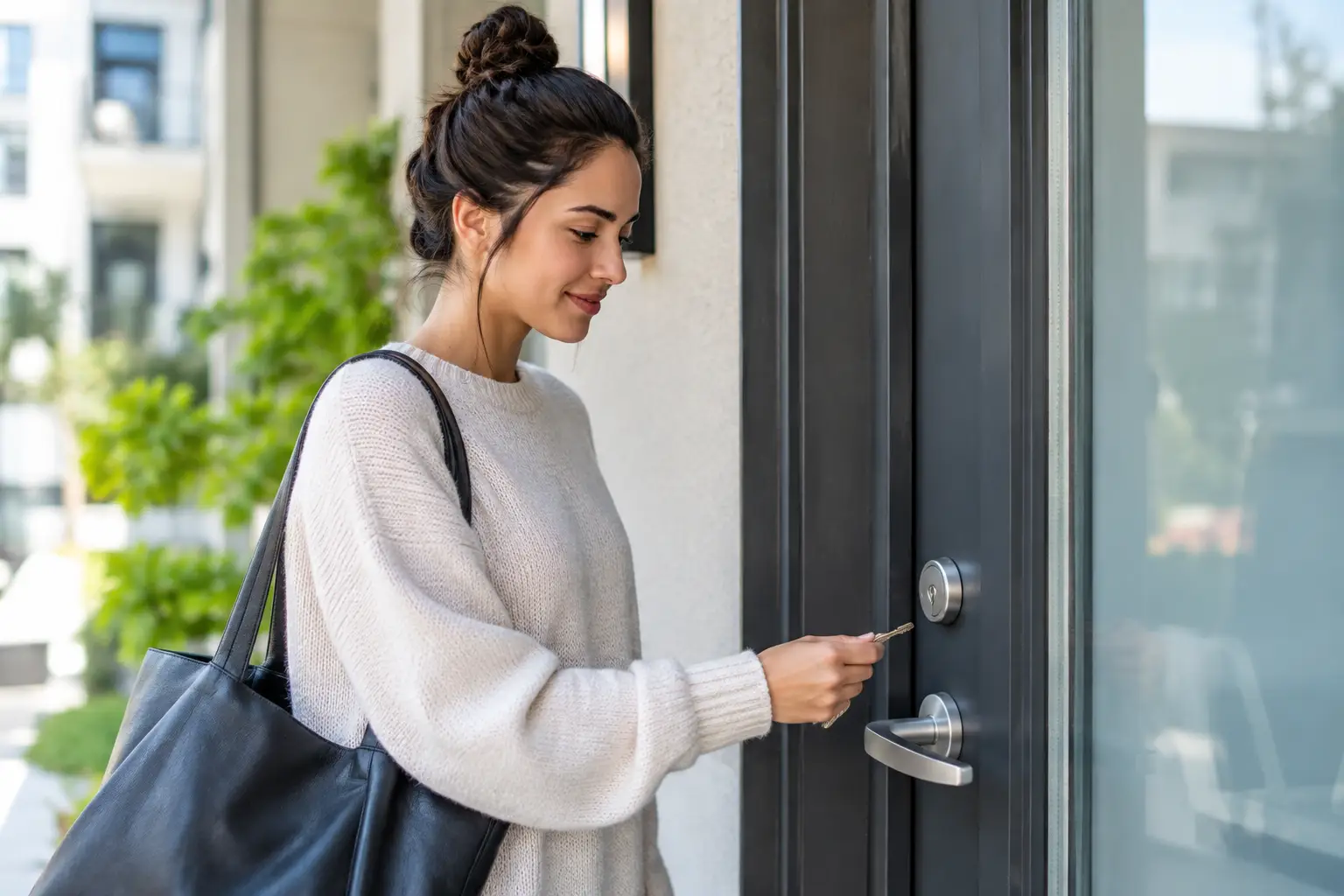
A lockout rarely happens at a convenient time. It happens when you are carrying groceries, heading to work, walking the dog, or returning home after a long day. Learning how to avoid apartment lockouts is less about complicated security equipment and more about building a few dependable habits around your keys, building access, and door hardware.
For renters, owners, and property managers in Broward and Palm Beach Counties, prevention also matters because an apartment lockout can affect more than one person. A misplaced key, a dead keypad battery, or a door that locks unexpectedly can leave residents stranded and create an urgent maintenance call. A practical plan reduces that risk without compromising the security of your home.
Start With a Reliable Key Routine
The most effective prevention step is also the simplest: give your keys one permanent home. Whether that is a hook near the entry, a bowl on a console table, or a section of your work bag, the location should be consistent enough that you use it without thinking.
Avoid setting keys down temporarily on a kitchen counter, in a jacket pocket, or beside the mailbox. Temporary places are where keys tend to disappear. If you switch purses, backpacks, gym bags, or vehicles regularly, move your keys first rather than assuming you will remember later.
A short exit routine is especially useful for apartments with self-locking doors. Before pulling the door closed, pause for two seconds: phone, wallet, keys. That small check is far easier than trying to gain entry after realizing the keys are sitting on the coffee table inside.
Keep a Spare Key the Secure Way
A spare key can prevent many lockouts, but where and how you keep it matters. Do not hide a key under a doormat, in a fake rock, above a door frame, or in another predictable location. Those places are familiar to burglars and can put your apartment at risk.
Instead, leave a spare with a trusted nearby friend, relative, or neighbor who is likely to be available. For many apartment residents, this is the most secure and practical option. If you own the unit, you may also keep a properly secured spare in a locked location away from the entrance, provided your community rules allow it.
Renters should check their lease before making copies. Some communities limit how many keys may be issued or require management approval for additional copies, fobs, garage remotes, and mailbox keys. Following those rules protects you from fees and ensures building access is not compromised.
How to Avoid Apartment Lockouts With Smart Access Tools
Keyless entry can be a useful upgrade for an apartment, but it is not automatically the best choice for every door or lease. Smart locks, keypad deadbolts, and electronic lever locks allow you to enter with a code, phone credential, or temporary digital key rather than a traditional key alone. That can be helpful for busy households, dog walkers, cleaners, and visiting family members.
The trade-off is that electronic locks still need attention. Batteries can drain, codes can be forgotten, and some products may not work with the door or hardware installed by your landlord. Before purchasing anything, ask for written permission from the property owner or manager. You may also need to preserve the original lock and reinstall it when you move out.
If a keypad lock is approved, replace batteries on a schedule instead of waiting for a low-battery alert. Many residents choose a date they already remember, such as the start of daylight saving time or the first day of a new season. Keep the physical backup key accessible to you, but never leave it inside the locked apartment.
Phone-based access is convenient but should not be your only plan. Phones run out of battery, get damaged, and occasionally lose connectivity. A keypad code, mechanical key, or trusted spare-key contact gives you a backup when technology is not cooperating.
Check the Door Before It Becomes the Problem
Sometimes the key is not the real issue. A lockout can begin with a worn latch, misaligned strike plate, loose doorknob, sticky deadbolt, or door closer that pulls the door shut harder than expected. In South Florida, humidity, frequent use, and shifting doors can all affect how smoothly a lock operates.
Pay attention to early warning signs. If you have to push or pull the door to turn the key, if the latch catches, or if the key only works at a certain angle, report it before it fails. Do not force the key or spray random household lubricants into the lock. That can leave residue, damage internal components, or turn a minor issue into an emergency.
For renters, lock and door repairs should generally go through property management unless there is an urgent safety issue. Property owners and managers should treat these reports promptly. A well-maintained lock protects residents, avoids preventable service calls, and helps preserve the building’s security standards.
Be Careful With Self-Locking Doors
Many apartment doors automatically lock when they close. This is convenient for security, but it leaves very little room for error. If your building has a self-locking knob or lever, get in the habit of carrying your key even when stepping out for a few seconds to take out trash, check the mail, or speak with a neighbor.
Do not prop a secured building door open to avoid being locked out. It may seem harmless, but it can allow unauthorized people into the property and violate community rules. If common-area access is consistently difficult, report the issue to management instead of working around it.
For buildings that use fobs, key cards, gate remotes, or app-based credentials, inspect those items regularly. Replace cracked fobs, report lost credentials right away, and make sure your contact information with management is current. A working apartment key does not help much if you cannot enter the lobby, elevator area, parking garage, or gated community.
Plan for Household Members and Guests
Lockout prevention works best when everyone in the home understands the plan. This is particularly important for families with teenagers, roommates, older relatives, and frequent guests. Decide who has keys, who has building credentials, and who can be contacted if someone is locked out.
Roommates should avoid passing around a single key or fob. Each authorized resident should have their own approved means of entry. Shared access may save money initially, but it creates problems when schedules change, someone moves out, or a key goes missing.
For children who are old enough to come home independently, make the plan simple and safe. A key on a secure keychain, a reliable trusted contact, and clear instructions for what to do if entry fails are better than hiding a key outside. Children should know never to share access codes or lend building credentials to others.
When a roommate, tenant, employee, cleaner, or contractor no longer needs access, the responsible party should collect keys and deactivate codes or fobs promptly. This is a basic security practice that also prevents confusion over who may enter the apartment.
Know What to Do If You Are Locked Out
Even the best habits cannot prevent every lockout. Keys can break, electronic locks can fail, and doors can close unexpectedly. When that happens, do not try to force your way in, pry the door, remove hardware, or break a window. Those actions can cause injury, damage the door, and create a much larger repair bill.
First, contact your property manager if the situation is during normal office hours or if building policy requires it. If you are facing an urgent lockout, a licensed and insured local locksmith can provide professional entry while minimizing the risk of damage to the lock and door. Have identification and proof of residency available, since a responsible locksmith should verify authorization before opening an apartment.
Access Locksmith & Security provides 24/7 emergency locksmith service across Broward and Palm Beach Counties for residents dealing with urgent access problems. Clear communication, qualified service, and a timely response matter when you are standing outside your own home.
The goal is not to carry more keys than you need or turn your apartment into a complicated system. Choose one dependable daily routine, keep a secure backup plan, and address door problems early. Those small steps make coming home feel exactly as it should: safe, simple, and worry-free.

